3 Oct 2026
Analyzing Economic Ripple Effects from Regulated Online Gaming on Local German Economies
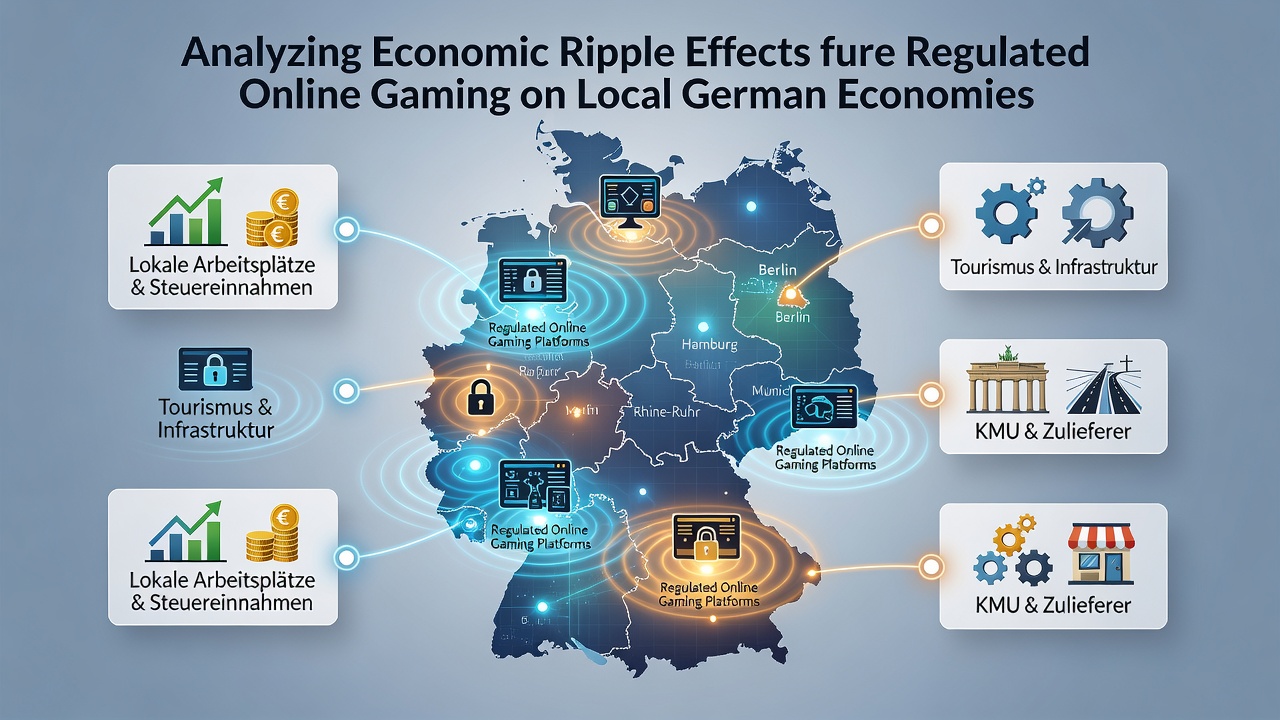
Germany's regulated online gaming sector has generated measurable shifts in local economies since the 2021 Interstate Treaty on Gambling took effect, with tax flows reaching municipal budgets and employment patterns adjusting in several states. Data from federal statistical agencies indicate that licensing fees and turnover-based levies now contribute to regional infrastructure projects, while operators establish support centers that draw skilled workers to mid-sized cities. Those who've tracked these developments point to direct payments that support schools and roads in areas where physical casinos previously dominated revenue streams.
Tax Revenue Allocation and Municipal Budgets
Regulated platforms remit portions of gross gaming revenue to both federal and state coffers, and state governments then distribute shares to cities and districts according to formulas tied to population and gambling activity levels. In 2025 figures released by the German Federal Statistical Office, online gaming taxes exceeded €1.2 billion nationwide, with notable portions flowing to North Rhine-Westphalia and Hesse where multiple operator hubs operate. These inflows allow local authorities to offset other revenue shortfalls without raising property taxes, and several towns have earmarked portions for digital literacy programs in schools.
What's interesting is how smaller communities benefit when operators choose to locate customer service or compliance teams locally rather than in major financial centers. One study from the University of Mannheim tracked twelve municipalities and found average annual budget increases of 3.8 percent attributable to gaming-related transfers over a three-year period. The ball's in the court of regional planners who decide whether to reinvest these funds in broadband expansion or public transport upgrades.
Employment Patterns in Regional Labor Markets
Operators licensed under the current framework have created positions in software development, responsible gaming monitoring, and payment processing, often filling roles through partnerships with local technical colleges. Employment data compiled by the Federal Employment Agency shows roughly 4,200 direct jobs tied to regulated online platforms by mid-2025, with an additional estimated 1,800 indirect positions in logistics and cybersecurity firms that serve the sector. Cities such as Leipzig and Dortmund report higher retention of graduates in IT fields because gaming companies offer competitive salaries compared with traditional manufacturing employers.
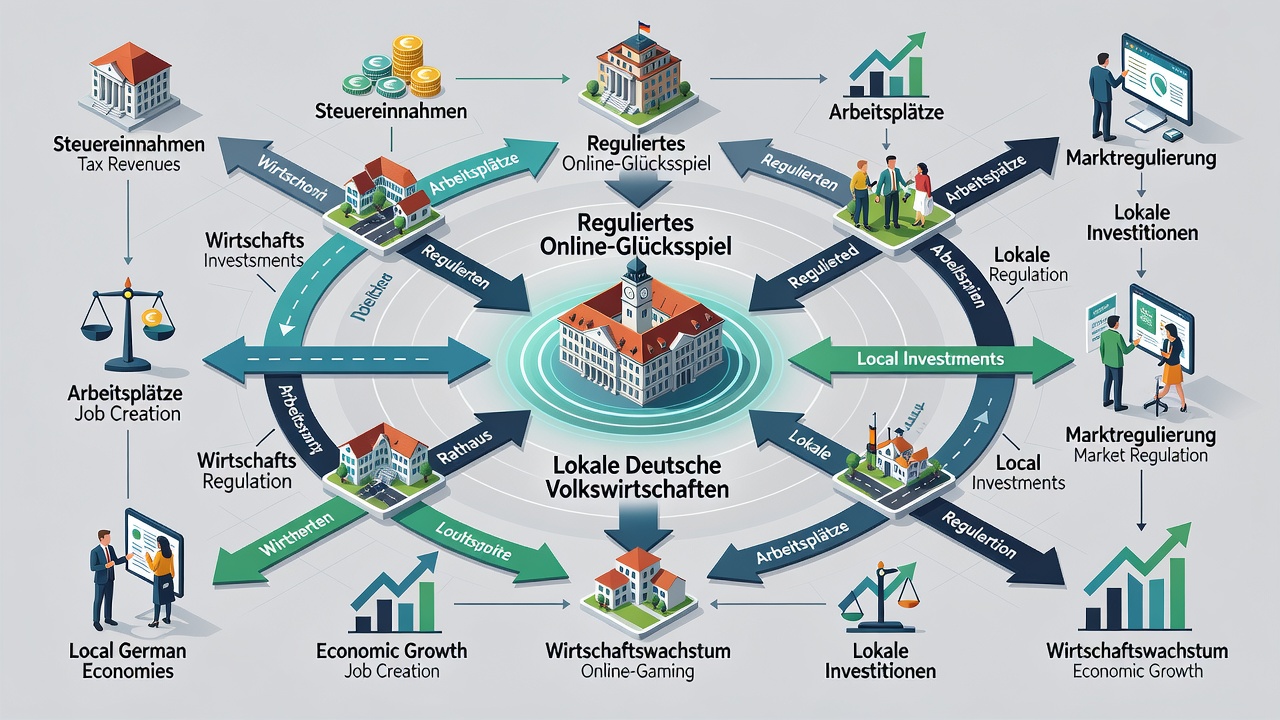
Yet supply chain effects extend beyond payrolls. Local printing companies produce marketing materials under strict advertising rules, while event venues host occasional compliance training sessions that boost short-term hospitality revenue. Observers note that these secondary contracts rarely make headlines but contribute steady income to family-run businesses that previously relied on seasonal tourism alone.
Interactions with Traditional Hospitality and Retail
Brick-and-mortar venues in the same regions have recorded mixed outcomes since online options expanded. Some casinos in Bavaria and Baden-Württemberg reported a 12 percent drop in slot machine play in 2024, according to industry association reports, while nearby hotels saw increased occupancy from visitors attending industry conferences. Researchers at the European University Institute documented cases where restaurants near licensed betting shops experienced higher foot traffic on weekends when online users organized social meetups tied to major sporting events. The writing's on the wall for operators who fail to adapt their offerings to coexist with digital alternatives.
Retail districts have not seen uniform displacement. Data indicates that convenience stores selling prepaid gaming vouchers report incremental sales, and several municipalities have introduced zoning rules that limit new physical locations near schools while allowing online operators to advertise within defined digital boundaries. This regulatory balance keeps commercial streets viable without concentrating activity in single neighborhoods.
October 2026 Licensing Cycle and Forward Projections
The next major licensing renewal window opens in October 2026, and state finance ministries have already begun modeling scenarios that project additional tax receipts of €180 million to €250 million annually if participation rates hold steady. Economists at the German Institute for Economic Research have published preliminary simulations showing that sustained growth in the sector could support further investment in regional broadband infrastructure, particularly in eastern states where connectivity gaps remain. These models incorporate variables such as player migration between platforms and potential adjustments to tax rates.
Local chambers of commerce in affected areas have started dialogue sessions with regulators to discuss workforce training grants that could accompany the new license round. Such preparations help ensure that economic benefits remain distributed rather than concentrated in a handful of urban centers.
Conclusion
Regulated online gaming continues to reshape fiscal and employment landscapes across German states through structured tax mechanisms and localized hiring practices. Evidence from federal statistics and academic tracking studies shows clear revenue channels reaching municipal budgets alongside measurable job creation in technical fields. As the October 2026 licensing cycle approaches, regional economies stand to experience further adjustments tied to operator decisions on location and supplier partnerships. Continued monitoring by statistical agencies will clarify how these patterns evolve over the coming years.