19 Sep 2026
Spanish Autonomous Communities Submit Joint Defense of Regional Gambling Powers

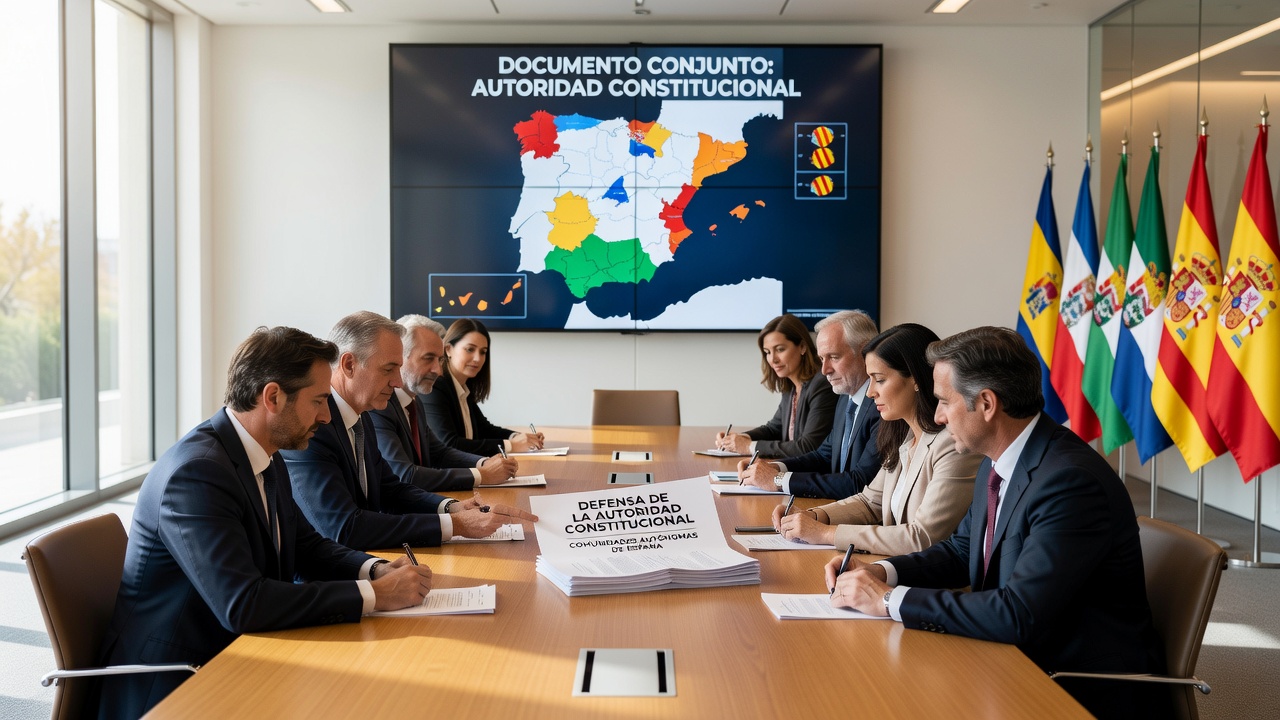
The 17 autonomous communities across Spain have delivered a unified document that asserts their constitutional authority over land-based gambling venues, covering licensing procedures along with operating conditions, and this submission directly challenges how the national Directorate-General for the Regulation of Gambling intends to apply player protection rules at the regional level.
According to industry reports the document arrives amid ongoing tensions where regional governments maintain that Spain's constitutional framework assigns them primary responsibility for physical gambling sites such as casinos, betting shops, and gaming halls, while the DGOJ seeks to impose uniform national standards on player safeguards.
Details of the Joint Regional Position
Each of the 17 communities participated in drafting the statement, which emphasizes that licensing decisions and day-to-day operational rules for land-based venues fall squarely within regional jurisdiction, and the document outlines specific areas where national player protection measures could overlap with or conflict against existing regional frameworks. Observers note that the coordinated approach signals a collective effort to preserve local control rather than allowing centralized directives to override established regional practices.
Land-based gambling venues in Spain include traditional casinos, slot halls, and sports betting outlets that operate under permits issued by individual autonomous communities, and the joint document stresses that these permits must continue to reflect local economic and social priorities while still addressing player protection concerns.
The Institutional Dispute with the DGOJ
The Directorate-General for the Regulation of Gambling operates as the national oversight body responsible for online gambling and certain cross-border matters, yet its recent guidance on player protection standards has prompted regions to clarify boundaries, and this clarification comes through the submitted document that defends constitutional divisions of power. Regions argue that national rules on player protection must integrate with rather than supersede regional licensing authority, creating a structured dialogue on implementation.
Multiple sections of the document reference specific constitutional articles that assign competence over public entertainment and gaming activities to the autonomous communities, and this legal grounding forms the core of the regional stance against potential DGOJ expansion into land-based operations.
Background on Spain's Decentralized Gambling Regulation
Spain's political structure grants significant autonomy to its 17 communities on matters including gambling regulation, which has resulted in varied licensing systems across regions such as Catalonia, Andalusia, and Madrid, and these differences have historically allowed tailored approaches to venue operations and responsible gaming measures. The current joint document builds on that tradition by presenting a shared position that protects those regional variations from uniform national overlays.
Player protection standards encompass age verification, self-exclusion programs, and spending limits, areas where the DGOJ has proposed harmonized national guidelines, yet communities maintain that enforcement and adaptation should remain at the regional level to account for local market conditions and cultural contexts.
Those who've examined similar past disputes between national and regional bodies point to the 2000s reforms that solidified community powers over physical gambling, and the latest submission reinforces that established division while calling for cooperative mechanisms rather than top-down mandates.
Next Steps in the Regulatory Dialogue
Following submission of the document, discussions between the autonomous communities and the DGOJ are expected to continue through structured meetings, and these exchanges will determine how national player protection standards align with regional licensing practices in the coming months. The joint approach increases the likelihood that any resolution will incorporate input from all 17 regions rather than addressing concerns individually.
As preparations advance toward potential regulatory adjustments ahead of September 2026 reviews, the communities have signaled readiness to defend their positions through formal channels including constitutional courts if necessary, though the current document prioritizes negotiation and clarification over immediate legal action.
Conclusion
The unified document from Spain's 17 autonomous communities marks a significant step in clarifying the balance between regional authority and national oversight on land-based gambling, and it establishes a clear platform for ongoing dialogue with the DGOJ regarding player protection integration. This coordinated regional effort underscores the enduring importance of constitutional divisions in shaping how gambling venues operate across the country, while leaving room for collaborative solutions that respect both local control and broader protection objectives.